
How to Plan Meals from Pantry Staples for Easy, Stress-Free Cooking
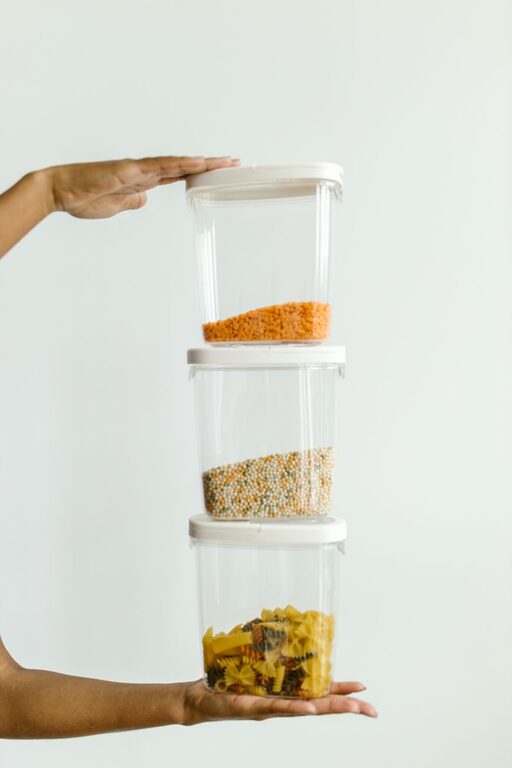
Planning meals from pantry staples is a smart way to simplify your cooking routine, reduce food waste, and save money. Whether you’re stocking up during a busy week or preparing for unexpected situations, having a well-organized pantry filled with versatile ingredients makes meal preparation faster and less stressful.
In this guide, we’ll explore how to make the most of your pantry staples, including which items to keep on hand, tips for meal planning, and simple recipe ideas you can create using what you already have.
Why Plan Meals from Pantry Staples?
Using pantry staples to plan meals helps you:
– Save time: You don’t need to run to the store every time you want to cook.
– Reduce waste: Using what you have limits thrown-away food.
– Stick to a budget: Pantry staples are often affordable and last longer.
– Stay organized: Knowing what’s available makes meal planning easier.
– Be flexible: You can create a variety of meals with just a few key ingredients.
What Are Pantry Staples?
Pantry staples are non-perishable or long-lasting items that form the foundation of many meals. Here are some common pantry staples to consider stocking:
Grains & Pasta
– Rice (white, brown, or other varieties)
– Pasta (spaghetti, penne, macaroni)
– Quinoa, couscous, or barley
– Rolled oats or other cereals
Canned & Jarred Goods
– Beans (black, kidney, chickpeas)
– Tomatoes (diced, crushed, paste)
– Broth or stock (vegetable, chicken, beef)
– Coconut milk
– Tuna or salmon
– Olives and pickles
Dry Goods & Baking Essentials
– Flour (all-purpose, whole wheat)
– Sugar (white, brown, powdered)
– Baking powder and baking soda
– Salt and pepper
– Spices and herbs (paprika, cumin, oregano, basil, chili powder)
– Cooking oils (olive oil, vegetable oil)
Nuts, Seeds & Snacks
– Peanut butter or other nut butters
– Nuts (almonds, walnuts, peanuts)
– Seeds (chia, flax, sunflower)
– Crackers or tortilla chips
Condiments & Sauces
– Soy sauce
– Vinegars (apple cider, balsamic, white)
– Mustard
– Hot sauce
– Honey or maple syrup
How to Organize Your Pantry for Easy Meal Planning
Organizing your pantry means you can quickly see and access what you have. Here are some organization tips:
– Group similar items: Keep grains, canned goods, spices, and baking supplies together.
– Use clear containers: Store flour, sugar, and cereals in transparent containers to see quantities.
– Label your items: Label shelves or containers for quick identification.
– Keep a running inventory: Maintain a list of what you have and what needs restocking.
– Store frequently used items at eye level: This encourages their use before expiration.
Steps to Plan Meals from Your Pantry Staples
1. Check What You Have
Start by taking stock of your pantry. Note the ingredients you have in sufficient amounts and those that might be running low.
2. Identify Key Ingredients for Meals
Look for ingredients that can serve as the base of your meals, such as rice, pasta, or beans. These will often guide your meal ideas.
3. Find Complementary Ingredients
Think about proteins, vegetables (fresh, frozen, or canned), and spices you can combine with your staples to create balanced meals.
4. Use Online Resources and Cookbooks
Search online or in cookbooks for recipes based on the ingredients you have. Many websites allow you to input pantry items and suggest recipes.
5. Plan Your Meals for the Week
Write down meal ideas for each day based on your pantry inventory. Include options for breakfast, lunch, dinner, and snacks.
6. Make a Shopping List for Fresh Ingredients
Identify any fresh produce or specialty items you may need to complete your meals and add them to your shopping list.
Easy Meal Ideas Using Pantry Staples
1. One-Pot Pasta with Tomato and Beans
– Ingredients: pasta, canned tomatoes, canned beans, garlic, olive oil, dried herbs
– Instructions: Sauté garlic in olive oil, add canned tomatoes and beans, season with herbs, and simmer. Add pasta and enough water to cook until tender.
2. Chickpea and Rice Bowl
– Ingredients: cooked rice, canned chickpeas, spices (cumin, paprika), olive oil
– Instructions: Heat chickpeas with spices and olive oil. Serve over warm cooked rice. Add a splash of vinegar or hot sauce if desired.
3. Oatmeal with Peanut Butter and Seeds
– Ingredients: rolled oats, peanut butter, seeds, honey
– Instructions: Cook oats according to package instructions. Stir in peanut butter and sprinkle with seeds and honey.
4. Tuna Salad Wrap
– Ingredients: canned tuna, mayonnaise or yogurt, mustard, crackers or tortillas, canned corn or beans
– Instructions: Mix tuna with mayonnaise and a dash of mustard. Add corn or beans for texture. Serve in a tortilla or with crackers.
Tips to Maximize Flavor and Variety
– Spice it up: Use different herbs and spices to change the flavor profile of similar ingredients.
– Mix textures: Combine creamy beans with crunchy nuts or seeds.
– Add acidity: A splash of lemon juice or vinegar can brighten dishes.
– Use leftover sauces: Transform leftovers into new meals by adding them to rice, pasta, or sandwiches.
– Double batch cooking: Make large meals and freeze portions for later.
Final Thoughts
Meal planning from pantry staples is an empowering way to make cooking simpler, more affordable, and enjoyable. By keeping your pantry well stocked and organized, you’ll always be ready to whip up tasty meals with ease. Start by taking inventory, get creative with your ingredients, and embrace flexibility in your cooking. With a little planning, your pantry staples can turn into delicious, satisfying meals any day of the week.