A Beginner’s Guide to Stretching at Home for Flexibility and Relaxation
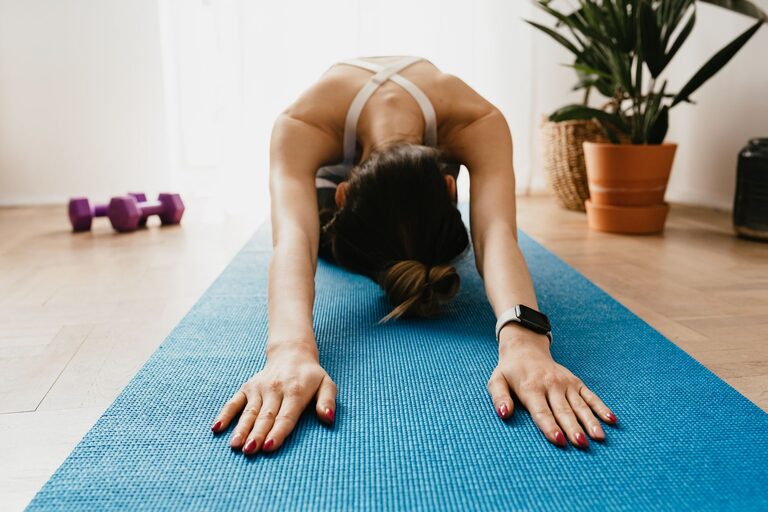
Stretching is a simple yet powerful way to improve your physical health and mental well-being. Whether you’re new to exercise or looking for a gentle way to stay active, stretching at home can be an excellent addition to your daily routine. This guide will help you understand the basics of stretching, provide you with easy-to-follow routines, and share tips to stretch safely and effectively.
Why Stretching Matters
Stretching helps to lengthen your muscles, improve flexibility, and increase your range of motion. When done regularly, it can:
– Reduce muscle stiffness and soreness
– Improve posture and balance
– Enhance circulation and blood flow
– Help prevent injuries
– Promote relaxation and reduce stress
Adding stretching to your day doesn’t require any special equipment or a lot of time, making it an accessible way to care for your body.
Types of Stretching
There are a few main types of stretching, each with a different focus:
Static Stretching
This involves holding a stretch position for 15-60 seconds. It’s great for improving flexibility and is best done after exercise or when your muscles are warm.
Dynamic Stretching
Dynamic stretching uses controlled, gentle movements to prepare your muscles for activity. It’s ideal as part of a warm-up before exercise.
Ballistic Stretching
This type uses bouncing movements to push muscles beyond their limits and is generally not recommended for beginners due to the risk of injury.
Proprioceptive Neuromuscular Facilitation (PNF)
PNF combines stretching and contracting a muscle to increase flexibility. It’s more advanced and often requires a partner or guidance.
For beginners stretching at home, static and dynamic stretches are the safest and most effective.
Preparing to Stretch at Home
Before you start stretching, consider these tips:
– Find a comfortable space: A quiet area with enough room to move freely.
– Wear comfortable clothing: Loose or stretchy clothes that don’t restrict movement.
– Use a mat or soft surface: To protect your joints and provide cushioning.
– Warm up briefly: Stretching cold muscles can cause injury; try 5 minutes of light activity like walking or marching in place.
Basic Stretching Routine for Beginners
Here’s a simple routine you can follow, targeting major muscle groups. Aim to hold each static stretch for about 20-30 seconds and repeat 2-3 times.
1. Neck Stretch
– Sit or stand tall.
– Slowly tilt your head toward your right shoulder until you feel a gentle stretch on the left side of your neck.
– Hold, then switch sides.
2. Shoulder Stretch
– Bring your right arm across your chest.
– Use your left hand to gently press on your right arm to deepen the stretch.
– Hold, then switch arms.
3. Triceps Stretch
– Raise your right arm overhead and bend the elbow to reach down your back.
– Use your left hand to gently push the elbow backward.
– Hold, then switch arms.
4. Chest Stretch
– Stand facing a doorway.
– Place your palms on the doorframe at shoulder height.
– Step forward slowly to stretch your chest muscles.
5. Side Stretch
– Stand with feet hip-width apart.
– Reach your right arm overhead and lean to the left.
– Hold, then switch sides.
6. Seated Hamstring Stretch
– Sit on the floor with your legs extended straight.
– Reach forward toward your toes, keeping your back straight.
– Hold without bouncing.
7. Quadriceps Stretch
– Stand and hold onto a chair or wall for balance.
– Bend your right knee and grab your right ankle with your hand.
– Gently pull your heel toward your buttock.
– Hold, then switch legs.
8. Calf Stretch
– Stand facing a wall.
– Place your hands on the wall and step your right foot back.
– Keep your heel on the floor and bend your left knee.
– Hold, then switch legs.
Tips for Safe and Effective Stretching
– Don’t rush: Move into each stretch slowly and gently.
– Avoid pain: Stretching should cause mild discomfort but never sharp pain.
– Breathe deeply: Inhale and exhale steadily while holding stretches.
– Be consistent: Try to stretch at least 3-4 times per week to see benefits.
– Listen to your body: Adjust stretches if you feel any strain or discomfort.
Incorporating Stretching Throughout Your Day
You don’t need a large block of time to enjoy stretching. Here are some ways to add light stretches into your daily routine:
– Stretch after waking up to loosen stiff muscles.
– Take stretch breaks during long periods of sitting.
– Stretch before bed to relax your body and mind.
– Use stretching as a way to unwind after exercise.
When to Consult a Professional
If you have existing health conditions or injuries, it’s a good idea to talk with a healthcare provider or physical therapist before starting a new stretching routine. They can offer personalized advice and modifications based on your needs.
Final Thoughts
Stretching at home is a gentle, accessible way to improve your flexibility, reduce tension, and support your overall wellness. By starting with simple stretches and practicing safely, you can build a habit that keeps you feeling limber and relaxed. Remember to be patient with yourself and enjoy the process of caring for your body every day.
Happy stretching!