
How to Plan a No-Stress Weekend for Ultimate Relaxation
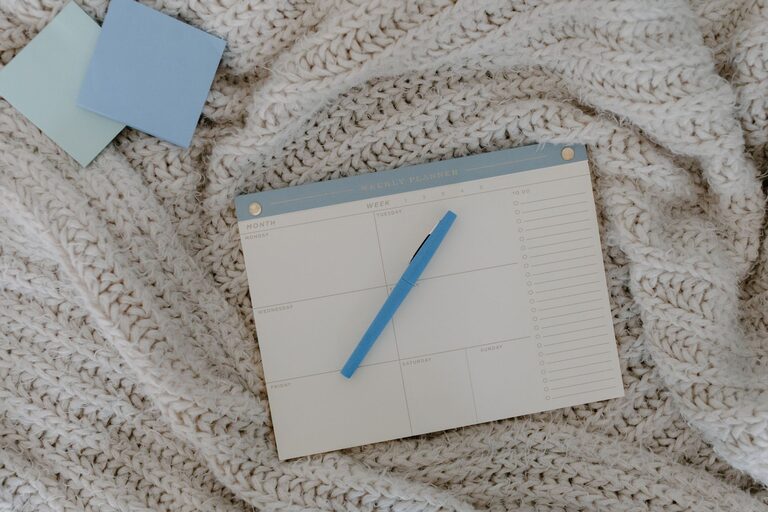
A no-stress weekend sounds like a dream come true, especially after a busy or challenging week. Taking time to unwind, recharge, and enjoy simple pleasures helps improve your overall well-being and prepares you to face new challenges with renewed energy. But how do you plan a weekend that truly feels relaxing and stress-free?
In this post, we’ll explore practical steps to help you create a no-stress weekend that works for you. Whether you prefer quiet time alone or gentle activity with loved ones, these strategies can help you make the most of your days off.
Why Planning a No-Stress Weekend Matters
Weekends often get packed with errands, social obligations, or last-minute tasks, which can leave you feeling more tired than refreshed. Planning ahead allows you to set boundaries around your time and prioritize activities that bring joy and peace. When you plan a weekend focused on relaxation, you’re less likely to experience burnout during the week and more likely to feel balanced.
—
Step 1: Set Realistic Expectations
Before the weekend arrives, take a moment to think about what “no-stress” really means to you. For some, it might be complete rest, while for others, gentle movement or creative hobbies are essential for relaxation.
– Avoid overloading your schedule: Don’t book every hour of your weekend with activities or chores.
– Focus on quality, not quantity: Choose a few meaningful activities that help you unwind.
– Be flexible: Allow your plans to change based on how you feel.
—
Step 2: Prioritize Self-Care
Self-care is the foundation of a no-stress weekend. It encourages you to nurture your body, mind, and spirit.
Ideas for Self-Care:
– Sleep in a little longer: Give yourself permission to catch up on rest without an alarm clock.
– Prepare a nourishing meal: Cook something simple and wholesome, or order from your favorite local restaurant.
– Enjoy a calming bath or shower: Warm water helps soothe tight muscles and mind tension.
– Practice mindfulness or meditation: Even a few minutes can help you feel present and calm.
—
Step 3: Disconnect from Work and Digital Stressors
One major source of weekend stress is the constant connection to work emails, social media, or news updates. Creating boundaries around technology can make a huge difference.
– Set specific times for checking your phone or computer, if needed.
– Turn off work notifications or put your devices on “Do Not Disturb.”
– Consider a digital detox: Spend parts of your weekend without screens to reconnect with yourself and the world around you.
—
Step 4: Plan Gentle Activities That Bring Joy
Engaging in enjoyable activities can recharge your energy and enhance your mood. Here are a few ideas that typically feel relaxing rather than taxing:
– Go for a walk in nature: Parks, trails, or even neighborhood strolls can refresh your mind.
– Read a book or listen to an audiobook: Escape into stories or learn something new at your own pace.
– Try light exercise: Yoga, stretching, or easy bike rides can loosen tension without overexertion.
– Engage in a creative hobby: Drawing, journaling, knitting, or cooking can be soothing outlets.
—
Step 5: Create a Comfortable Environment
Your surroundings affect how relaxed you feel. Take some time to make your home or chosen space cozy and inviting.
– Tidy up clutter: A clean space can reduce mental overload.
– Use soft lighting: Lamps or candles create a warm, peaceful atmosphere.
– Play gentle music or nature sounds: Find soundtracks that calm your mind.
– Include scents you love: Essential oils, fresh flowers, or scented candles can promote relaxation.
—
Step 6: Practice Saying No
One of the best ways to reduce weekend stress is to protect your time. Don’t hesitate to decline invitations, errands, or extra commitments that don’t align with your goal of rest.
– Politely explain you need time to recharge.
– Offer to reschedule plans for a less hectic time.
– Remember that prioritizing yourself is healthy and necessary.
—
Step 7: Reflect and Adjust for Future Weekends
At the end of your weekend, take a quiet moment to reflect on what worked well and what you might change next time.
– Did you feel rested and calm?
– Which activities helped you the most?
– Were there moments of unexpected stress? How could you handle those differently?
Use these insights to plan even better no-stress weekends ahead.
—
Summary
Planning a no-stress weekend is about more than just taking a break; it’s about intentional rest and self-care that refresh your body and mind. Set realistic expectations, prioritize self-care, limit digital distractions, enjoy gentle activities, create a calming environment, and protect your time with boundaries. With these steps, you can develop a weekend routine that truly helps you unwind and prepares you to embrace the week ahead with ease and positivity.
Remember, your no-stress weekend is personal. Tailor these suggestions to fit your preferences, and enjoy the gift of a peaceful, rejuvenating weekend!